
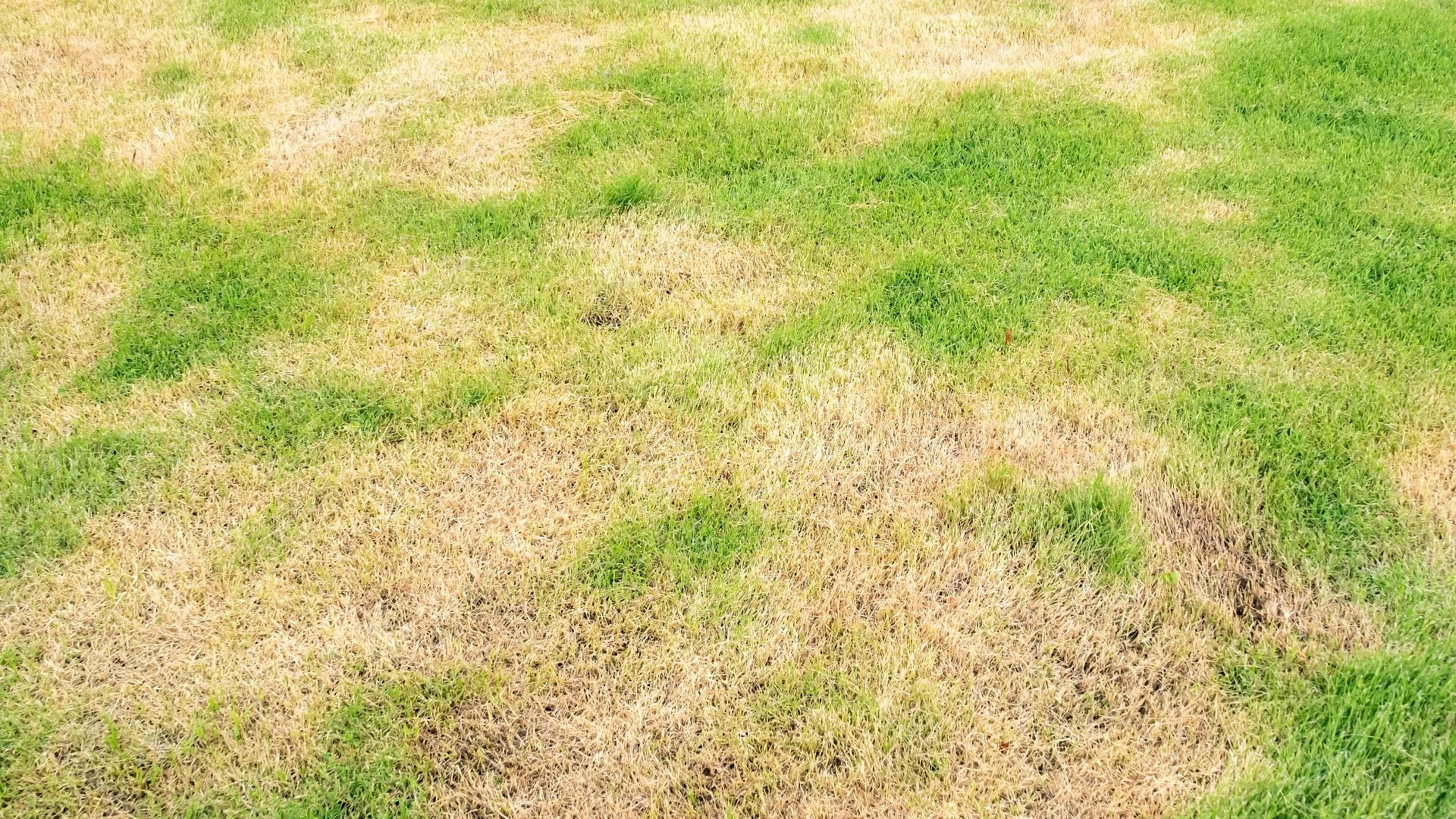
If your lawn in North Carolina is turning brown, it's important to identify the cause so you can take the necessary steps to remedy it. Brown patches in your lawn can result from dehydration, overfertilization, or lawn disease. Dehydration causes grass to appear blue-gray and brittle; using the "footprint test" can help diagnose it. Ensure consistent, deep watering to address this issue.
Overfertilization draws moisture from roots, creating distinct brown spots. Follow fertilizer guidelines and use slow-release products to prevent nutrient overload. Lawn diseases like brown patch, dollar spot, rust, and leaf spot also cause browning. Each has distinct symptoms, such as circular patches or powder on grass blades. Proper diagnosis and treatment, alongside regular lawn care, can restore your lawn's health.
Dehydration could be the reason your lawn is turning brown.
One of the most common reasons for a lawn turning brown is dehydration. Grass needs a consistent supply of water to maintain its vibrant color and health. When your lawn isn’t getting enough water, it starts to struggle. Signs of dehydration include a blue-gray hue creeping over the grass. The blades may also look shrunken or feel brittle, losing their natural suppleness.
The classic “footprint test” is a quick way to diagnose dehydration: walk across the lawn, and if your footprints remain visible for a while afterward, it’s a sign that your grass isn’t getting enough moisture. Regular and deep watering, rather than frequent shallow watering, can help ensure that the roots remain healthy and hydrated. Keep an eye on rainfall and adjust your watering schedule accordingly, especially during dry spells.
Overfertilization could be the reason your lawn is turning brown.
Fertilizer is essential for maintaining a healthy lawn, supplying necessary nutrients that promote growth and strength. However, overfertilization can lead to detrimental effects, causing brown patches due to nutrient overload. This occurs because excess fertilizer salts draw moisture away from the roots, effectively dehydrating them. When grass is overfertilized, distinct, sharp-edged brown spots may appear, rather than a gradual browning across the lawn. Another sign is a whitish crust sometimes visible on the soil surface, indicating an accumulation of excess fertilizer. New grass growth might also appear weak and spindly due to the stress of too many nutrients.
To avoid overfertilization, it’s important to follow the recommended guidelines on fertilizer packaging and use a spreader for even application. Using slow-release fertilizers can also help prevent nutrient overload by providing a steady supply of nutrients over time. If you suspect overfertilization, thoroughly watering your lawn can help leach excess salts from the soil, diluting their concentration and mitigating damage.
A lawn disease could be the reason your lawn is turning brown.
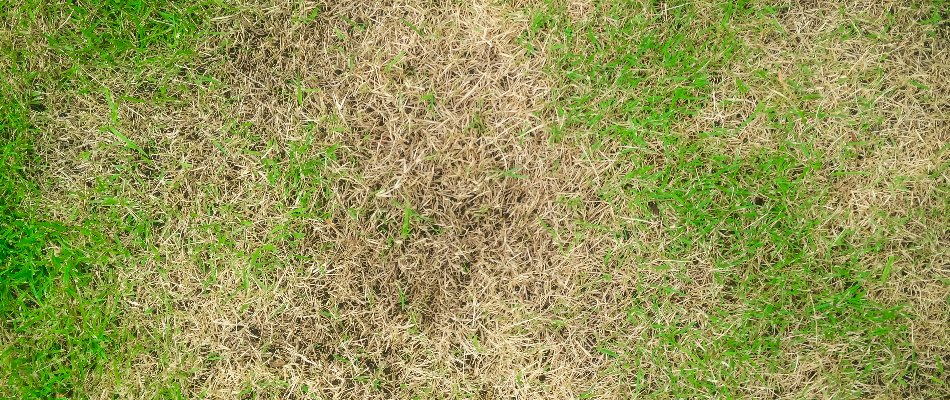
Lawn diseases can also be a culprit when you notice browning patches. Here are some common diseases that may be affecting your lawn:
- Brown Patch Disease: This is caused by the fungus Rhizoctonia solani and typically appears as circular patches of brown and dying grass. These patches can expand rapidly in warm, humid conditions.
- Dollar Spot: These small, circular, silver-dollar-sized spots can coalesce into larger brown areas. It thrives in conditions of low nitrogen and high humidity.
- Rust Fungus: Look for orange or yellowish-brown powder on the grass blades. This disease usually occurs in late summer or early fall and is more common on dry, stressed lawns.
- Leaf Spot: This appears as small, brown-to-purple spots with tan centers on the leaves. Over time, the affected leaves can yellow and die.
Addressing lawn diseases involves identifying the specific condition and applying the appropriate fungicide or treatment. Encouraging healthy growth through proper lawn care practices can also build resistance to diseases. Regularly inspecting your lawn and maintaining good lawn care practices is key to prevention.
Call us today to schedule our lawn disease control service.
If your lawn is turning brown, we can help! We offer lawn care services at Agape Lawn Company like lawn fertilization and lawn disease control service to get your lawn looking lush and green again! We also offer irrigation services to ensure your grass receives proper hydration throughout the growing season. These services are offered to residential property owners in Cary, Chapel Hill, Raleigh, and nearby areas in North Carolina. Call us today at (919) 672-2509 to schedule any of these services.